Uninsured Motorist Coverage Is Not Optional in Practice
Roughly one driver in eight carries no insurance at all. This is the coverage that decides what happens when one of them hits you.
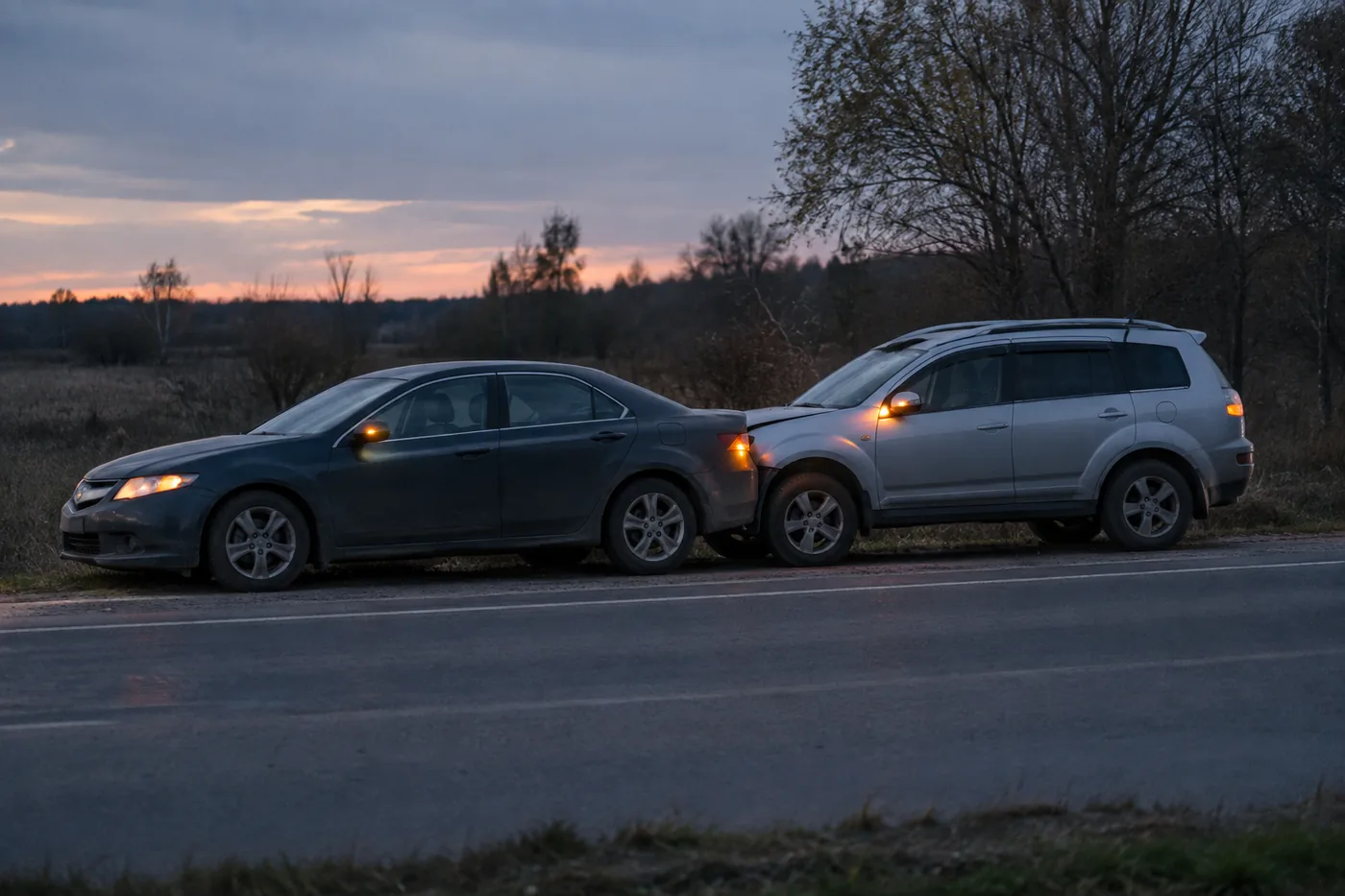
Liability coverage pays other people when you are at fault. It does nothing for you when someone else is at fault and cannot pay. That is what uninsured and underinsured motorist coverage is for, and it is the coverage drivers most often decline without understanding.
The scale of the problem
Nationally, around 13 percent of drivers are uninsured, with several states above 20 percent. Underinsured drivers — those carrying only state minimums, which in some states means $25,000 of bodily injury per person — are far more numerous.
A serious injury generates medical bills well beyond $25,000 without difficulty. When the at-fault driver's limit is exhausted, the remainder is yours unless you carry UIM.
Two parts
- UM/UIM Bodily Injury — medical costs, lost wages and pain and suffering for you and your passengers
- UM/UIM Property Damage — damage to your vehicle, available in some states
Why collision is not a substitute
Collision repairs your car. It does nothing for a broken wrist, six weeks off work, or a permanent injury. Those are exactly the costs UM/UIM addresses, and they are the ones that alter someone's finances permanently.
Match your liability limits
The usual advice, and it is sound: set UM/UIM equal to your liability limits. If you think other people deserve $250,000 of protection from your mistakes, your own family deserves the same protection from theirs. It is one of the least expensive coverages on the policy because the carrier is not insuring your behaviour.
Hit-and-run collisions are also handled under uninsured motorist coverage in most states. If you have declined it, an unidentified driver is functionally an uninsured one.