Rental Car Coverage: What You Already Have
The counter upsell is usually redundant. Usually is doing real work in that sentence.
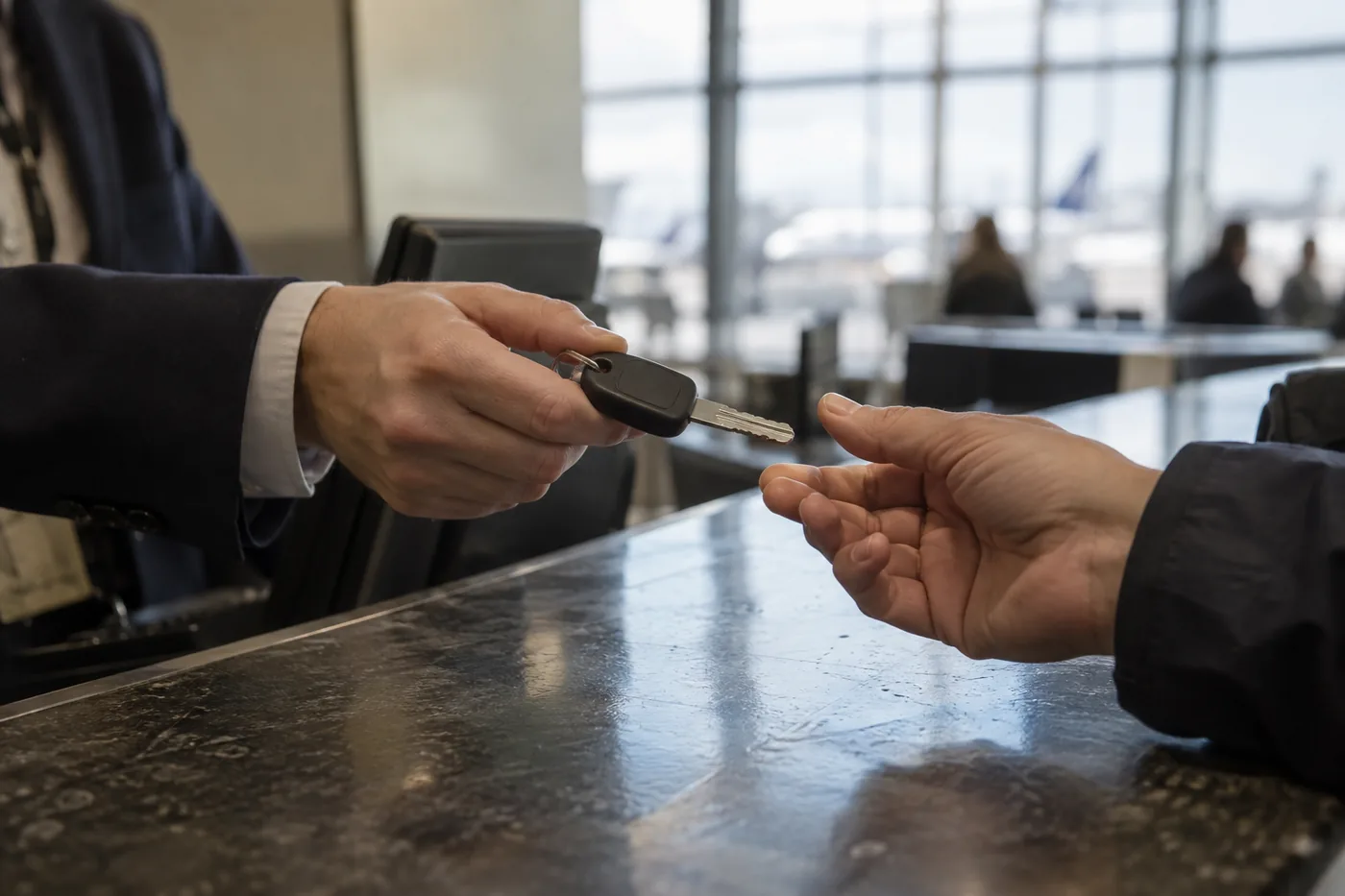
The rental counter is engineered to sell you a collision damage waiver at a moment when you are tired and holding up a queue. Most of the time you are already covered twice over. The exceptions are worth knowing before you are standing there.
Your own policy usually extends
If you carry comprehensive and collision on a personal vehicle, that coverage generally extends to a rental car used for personal purposes in the United States and Canada — with the same deductibles, and a claim goes on your record.
Your credit card probably duplicates it
Many cards include rental collision coverage when the rental is paid with that card and you decline the counter waiver. The key distinction:
- Secondary — pays only what your own insurer does not. Most cards.
- Primary — pays first, so you never file with your own insurer. Much better, because it keeps the claim off your record entirely.
Where the gaps actually are
Three situations where the counter product may genuinely be the right purchase:
- Outside the US and Canada. Personal policies typically stop at the border. Card benefits often exclude Ireland, Israel, Jamaica and Italy specifically.
- Loss of use and diminished value. Rental companies bill for revenue lost while the car is repaired. Many personal policies exclude this; some card benefits cover it.
- You carry liability only. With no physical damage coverage on your own car, nothing extends to the rental.
Call the number on your card and ask two questions: is the benefit primary or secondary, and does it include loss of use? Both answers are on record and take four minutes to obtain.