Gap Insurance: Who Actually Needs It
It solves one specific problem. If you do not have that problem, it is pure cost.
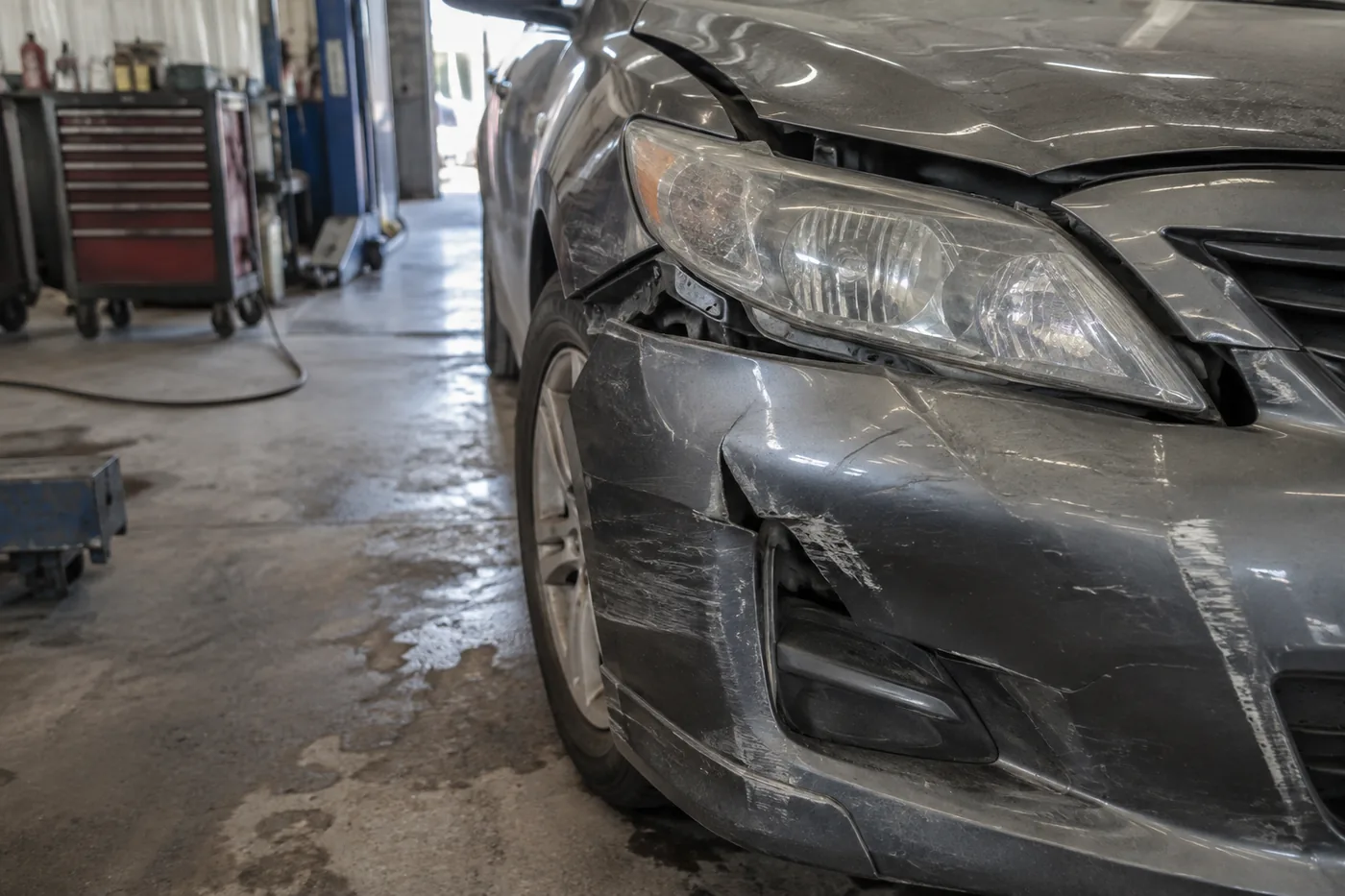
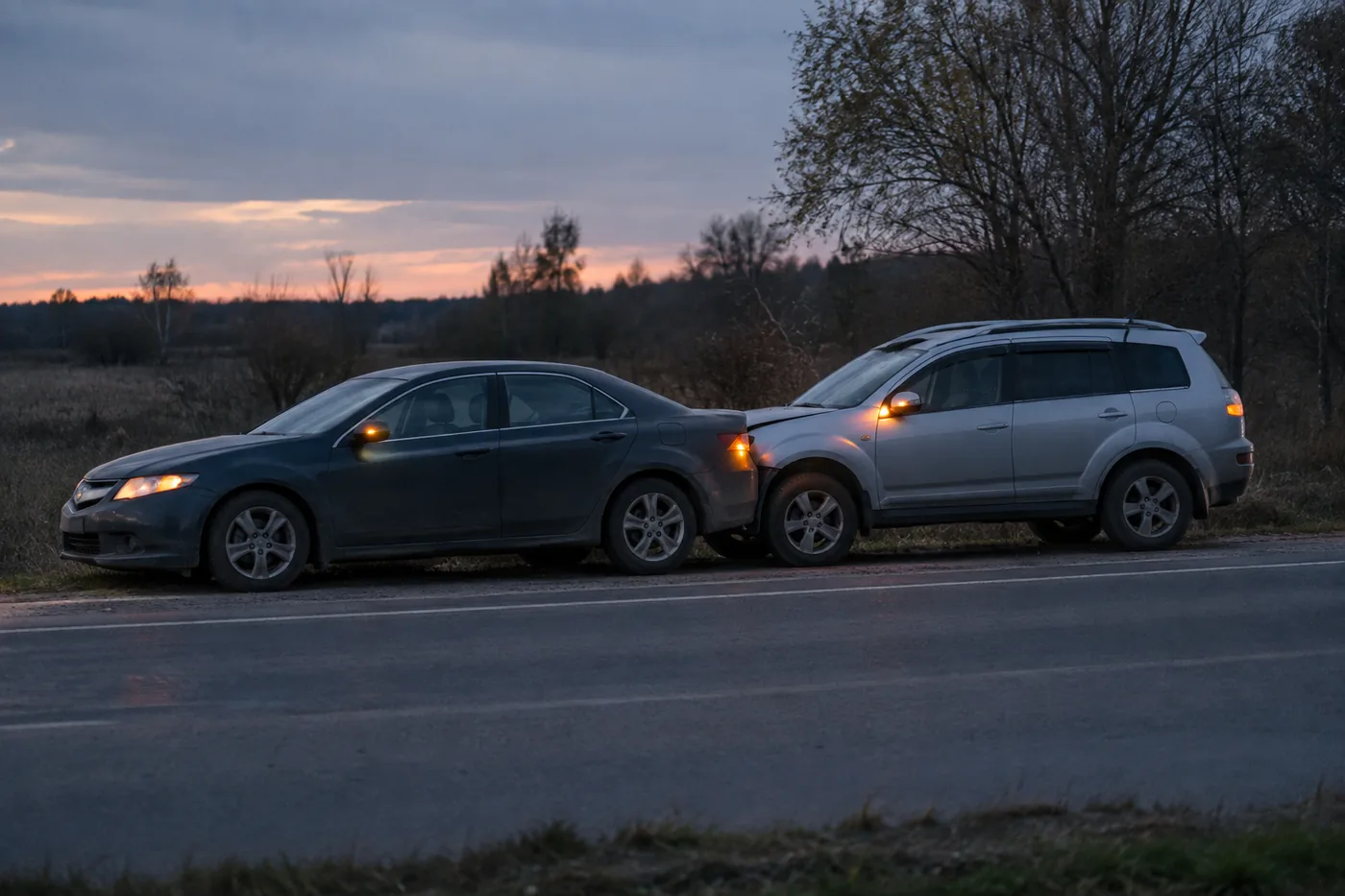
If your car is totalled, your insurer pays its actual cash value — what it was worth the moment before the loss, not what you paid and not what you still owe. Gap coverage pays the difference between that value and your loan balance.
How the gap opens
New vehicles depreciate fastest in their first two years, while loan amortisation is front-loaded with interest. Value falls faster than the balance does, and for a period you owe more than the car is worth.
A concrete case: $38,000 vehicle, $2,000 down, 72-month term. Eighteen months in you might owe $31,500 on a car worth $26,000. Total it and your insurer sends $26,000 to the lender. You owe $5,500 on a car you no longer have.
You probably need it if
- You put less than 20 percent down
- Your term is 60 months or longer
- You rolled negative equity from a previous loan into this one
- You lease — though most leases include it, so check rather than buy twice
- The model depreciates quickly
You do not need it if
- You paid cash
- Your balance is already below the car's value
- You could absorb the shortfall without difficulty
Where to buy it
Not from the dealer. Dealer gap is commonly $600 to $900 rolled into the loan, where it accrues interest. The same coverage added to your auto policy typically runs $20 to $60 a year and can be removed the moment your balance drops below the vehicle's value — which is the point at which you should remove it.