Comprehensive vs Collision: What Actually Pays Out
Two coverages, two deductibles, and a surprising number of claims filed against the wrong one.
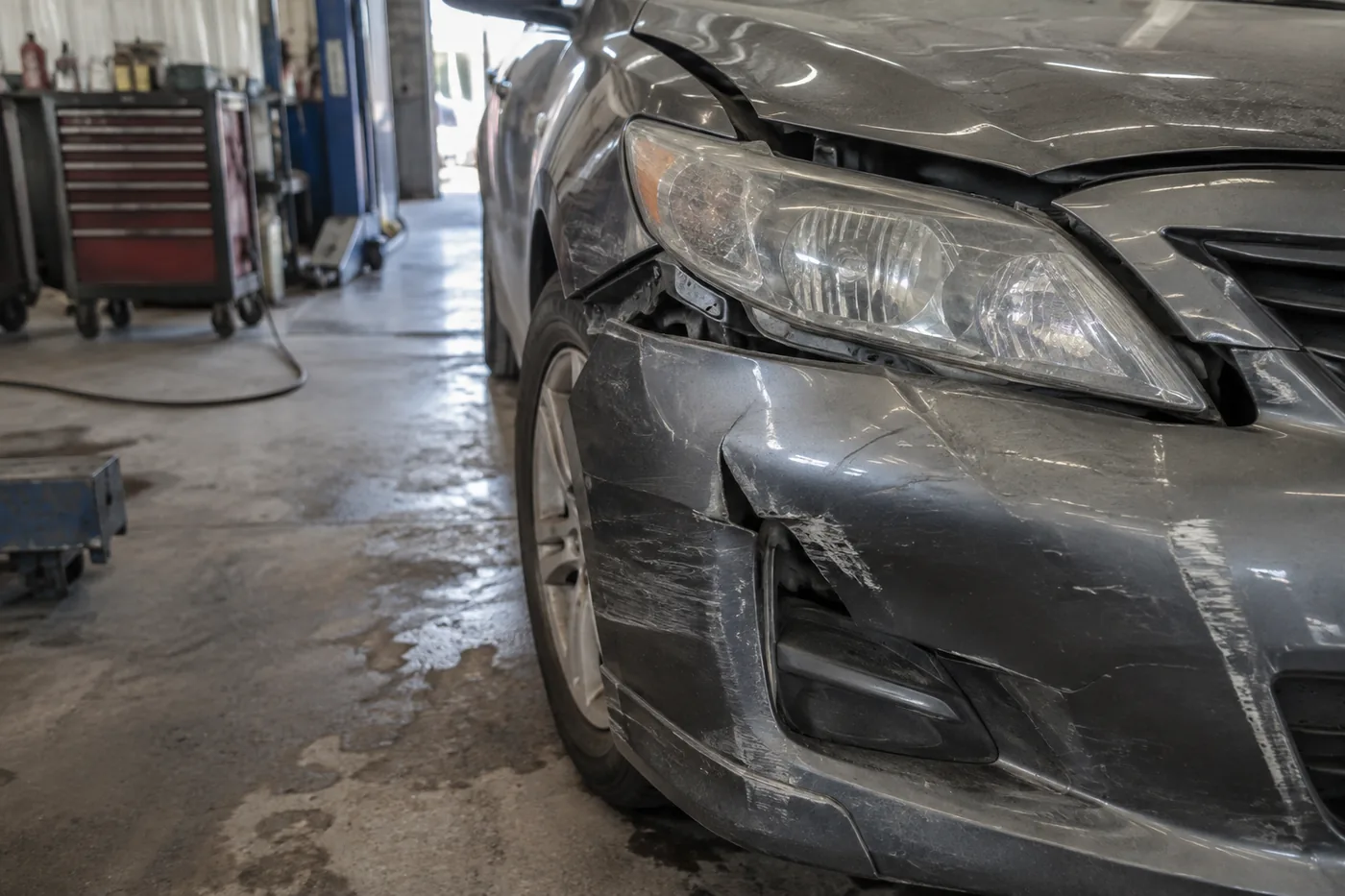
These two coverages sit next to each other on every declarations page, carry separate deductibles, and get confused constantly. The distinction is not complexity for its own sake — it determines which deductible you pay and, at some carriers, whether the claim is chargeable.
Collision
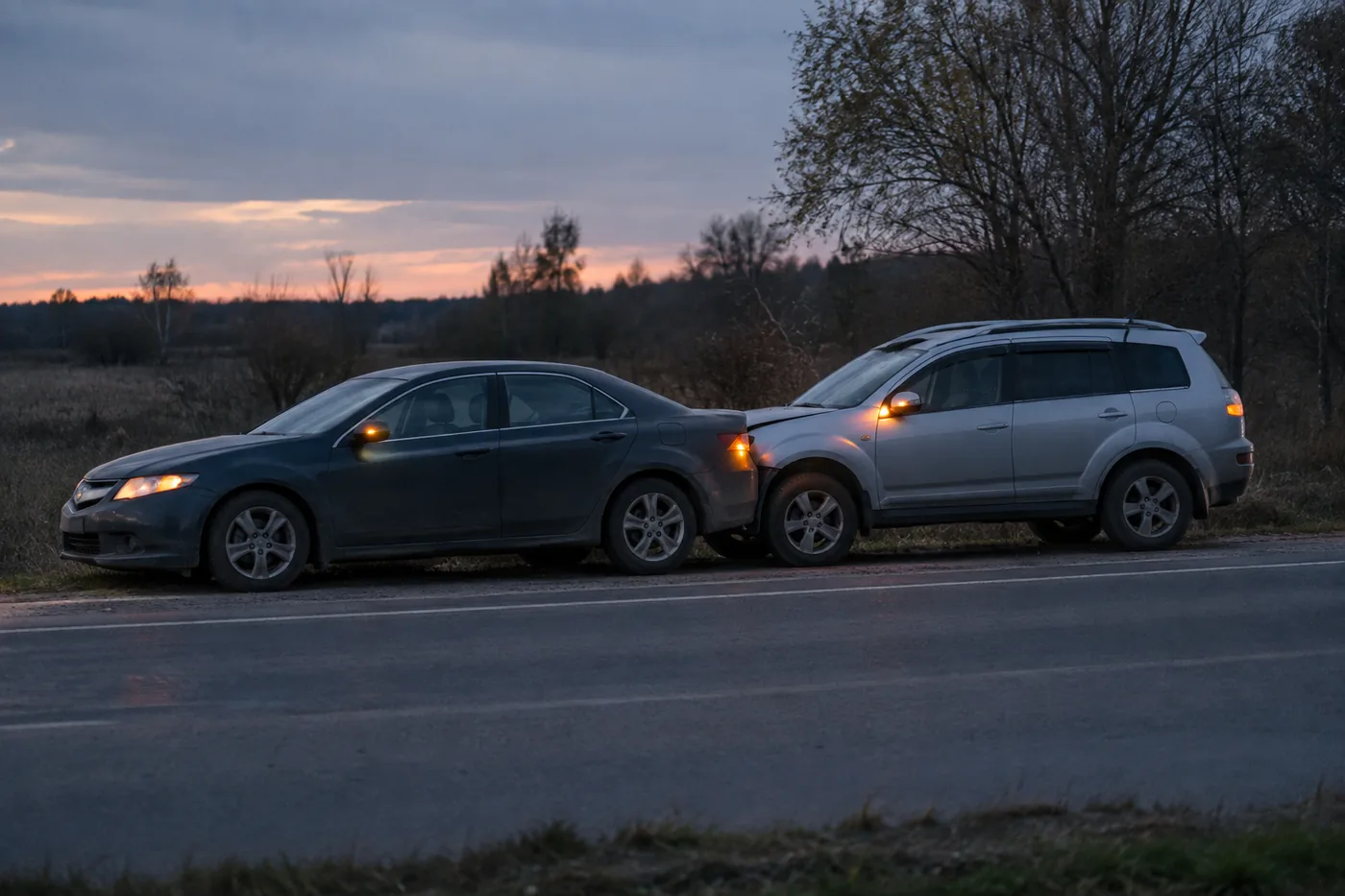
Collision pays when your vehicle strikes something, or something strikes it, in a manner involving impact with another object or a rollover. Another car, a guardrail, a tree, a loading dock, the kerb.
Comprehensive
Comprehensive — sometimes written as "other than collision" — covers essentially everything else that damages the vehicle while it is not in a collision:
- Theft of the vehicle, and damage caused during a theft attempt
- Hail, flood, wind, falling objects
- Fire
- Glass breakage
- Animal strikes
The animal strike question
This is the one that catches people. You hit a deer at 50 mph and there is unmistakably an impact — that reads like collision. It is not. Animal strikes fall under comprehensive at essentially every carrier in the United States.
This matters twice over. Comprehensive deductibles are usually lower than collision deductibles, so you pay less out of pocket. And comprehensive claims are far less likely to be treated as chargeable against your record.
Swerve to avoid the deer and hit a tree instead, and you have converted a comprehensive claim into a collision claim. Adjusters see this weekly.
Glass, handled separately
Many states mandate or encourage a separate glass provision, often with a zero deductible for repair rather than replacement. A chip repaired early is frequently free to you and prevents a full windscreen replacement later. Carriers price this deliberately, because the repair costs them a fraction of the replacement.