When to Drop Collision on an Older Car
There is a defensible rule, and it is not the one most people use.
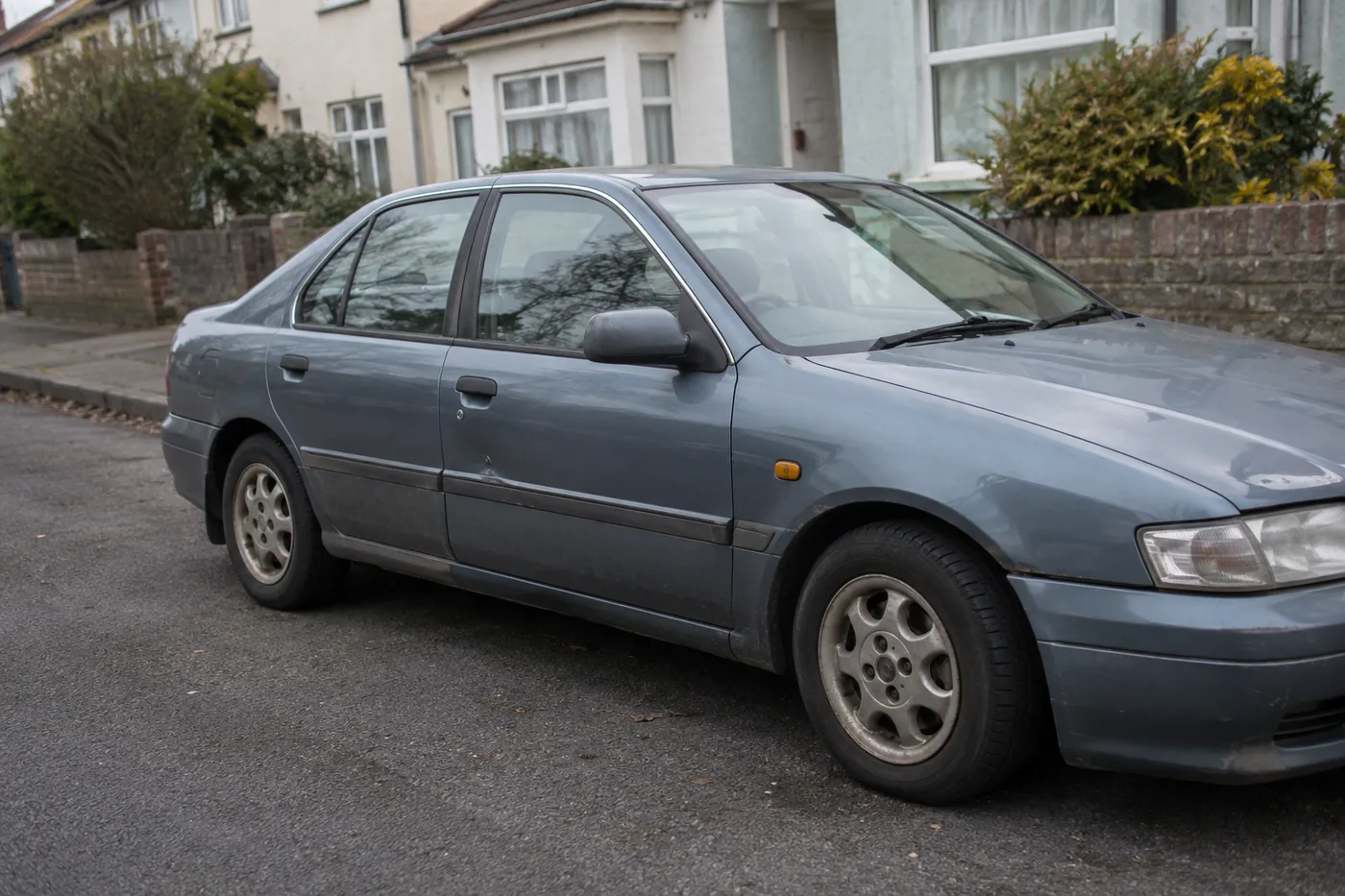
Physical damage coverage on a low-value vehicle eventually stops making sense, because the maximum possible payout converges on the premium. The question is where that point sits.
The common rule, and its flaw
The usual advice is to drop collision when annual premium exceeds 10 percent of the car's value. It is easy to remember and it ignores the deductible, which is the problem.
A better calculation
What you are buying is not the car's value. It is the car's value minus the deductible, because that is the most the coverage can ever pay you.
A $3,000 car with a $1,000 deductible means the maximum recovery is $2,000. If comprehensive and collision together cost $480 a year, you are paying $480 for a maximum possible benefit of $2,000 — a ratio of about 4:1. Given a total loss roughly once a decade, that is poor value.
Drop physical damage when annual premium exceeds roughly 20 percent of (actual cash value minus deductible). Below that ratio, keep it.
Check the value properly
Use a current private-party valuation rather than what you think the car is worth. Used values have been unusually strong for several years and many drivers underestimate them substantially.
The condition that overrides the arithmetic
If losing the car tomorrow would mean you could not get to work, and you do not have the cash to replace it immediately, keep the coverage regardless of the ratio. The calculation assumes the loss is absorbable. When it is not, you are buying continuity rather than value.
Drop collision before comprehensive
Comprehensive is much cheaper, covers theft, fire, hail and glass, and is usually worth keeping even on a car where collision no longer is.