Telematics: Should You Let Your Insurer Watch You Drive?
Usage-based programmes can cut a premium by a third, or raise it. The difference is knowing what is measured.
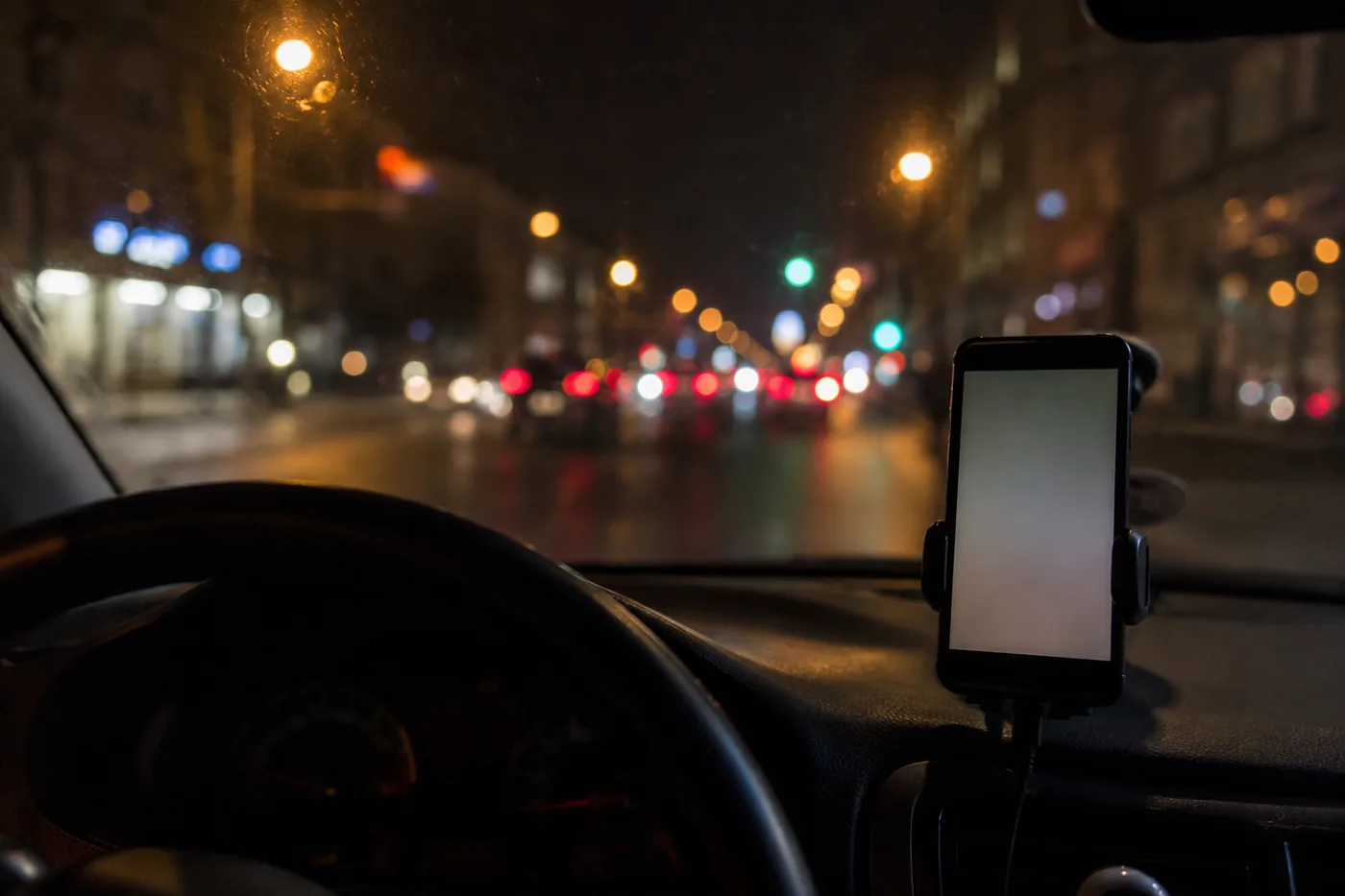
Nearly every major carrier now offers a usage-based programme: an app or a plug-in device monitors how you drive and adjusts your rate. The marketing emphasises the discount. The mechanics deserve a closer look.
What is actually measured
Despite the framing, speed is often the least important input. The heavily weighted signals are:
- Hard braking events — deceleration beyond a threshold
- Rapid acceleration
- Time of day — late-night driving carries much higher loss costs
- Total mileage
- Phone handling — on app-based programmes, whether the screen was active while moving
The hard-braking problem
Hard braking is treated as a proxy for inattention: a driver who brakes hard was following too closely or not looking far enough ahead. As a population-level signal it holds up. As an individual signal it is noisy.
Defensive drivers in dense urban traffic frequently score worse than inattentive drivers on empty motorways. The programme is measuring your environment as much as your skill.
Downside risk
This is the part to check before enrolling. Some programmes are discount-only: the worst outcome is that you save nothing. Others can surcharge you based on collected data. Ask this question in exactly these words: "Can my rate go up because of what this programme records?"
Who benefits most
Low-mileage drivers, retirees, and anyone who does not drive between midnight and 4am tend to do very well — discounts of 25 to 40 percent are realistic. Commuters in heavy traffic, shift workers, and drivers who regularly cover long distances late at night often do worse than their standard rate.