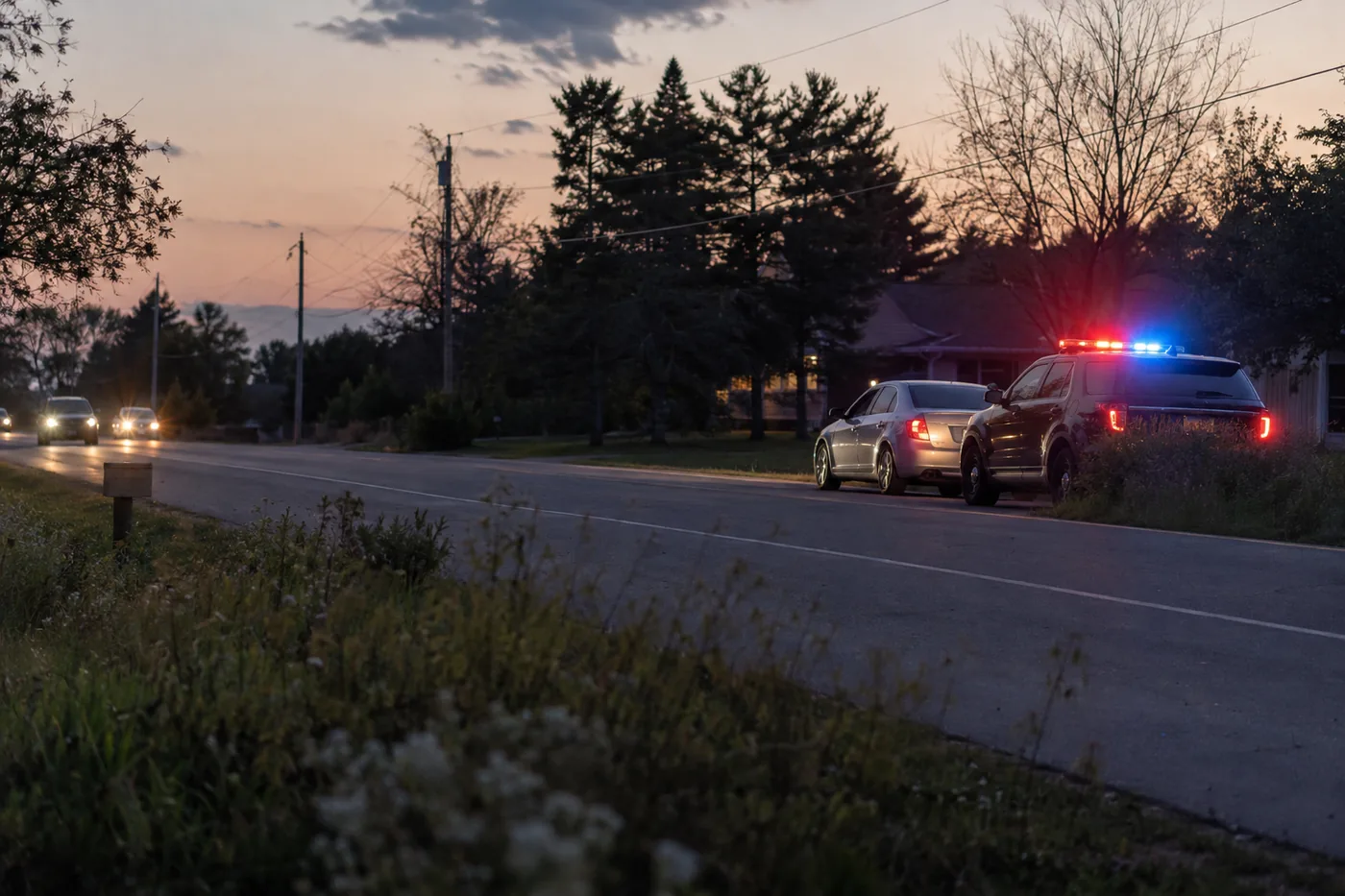
Teen Drivers and the Premium Cliff
Adding a 16-year-old can double a household premium. Four structural choices change the size of the jump.
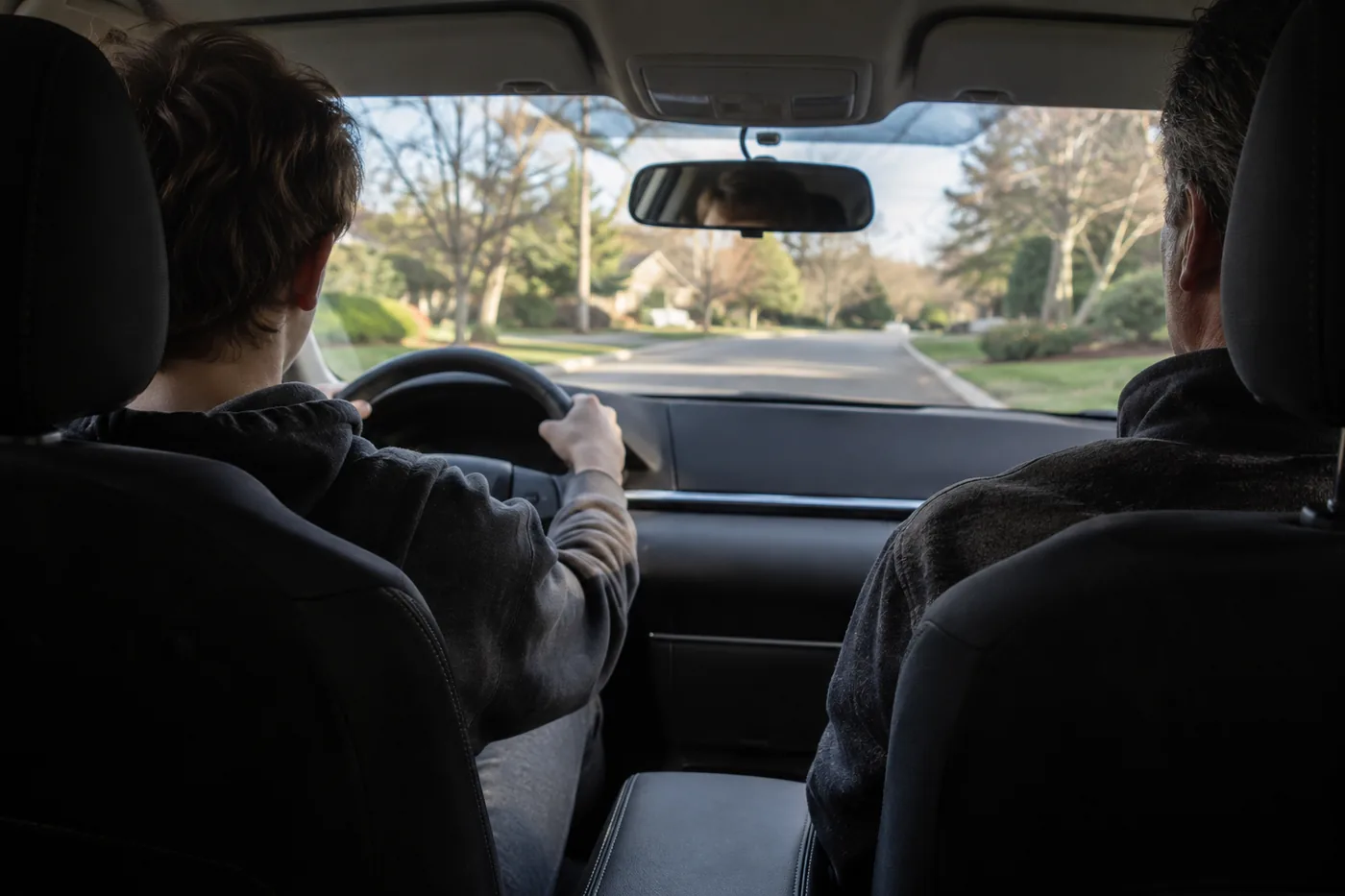
Nothing else on a personal auto policy moves the number like a newly licensed teenager. The increase is not arbitrary — crash rates per mile for 16- and 17-year-olds are roughly three times those of drivers in their thirties.
Assign them to the right car
Most carriers rate by assigning each driver to a vehicle. The teen will be assigned to the most expensive vehicle to insure unless you direct otherwise. If the household has an older vehicle with a lower physical damage rating, formally assigning the teen to it can change the premium substantially.
The counterintuitive part: that older, cheaper car should still be a safe one. A large sedan with good crash ratings and modest value is close to ideal. A small, fast car is the worst of both.
Good student is real money
A B average or better typically earns 10 to 25 percent off the teen's portion. It requires a transcript each term and is one of the largest single discounts available anywhere on a personal auto policy.
Consider raising physical damage deductibles
New drivers have more small incidents — kerbed wheels, parking scrapes. Counterintuitively, this is an argument for a higher deductible on the teen's vehicle, because small claims you were going to absorb anyway should not be priced into the premium.
Raise liability limits, not lower them
This is the one place to spend more rather than less. The scenario that damages a family financially is not the car — it is an at-fault injury accident exceeding your liability limits, where the injured party pursues personal assets. Increasing bodily injury limits is comparatively cheap. An umbrella policy sitting above the auto policy is cheaper still per dollar of protection.