Why Your Premium Went Up Even Though You Did Not Crash
Six rate drivers that have nothing to do with your driving, and which one is usually responsible.

A clean year followed by a higher bill feels like a mistake. It usually is not. Auto insurance is priced on pooled, forward-looking loss costs, and most of the inputs describe the pool rather than you.
1. Approved rate filings
Carriers file rate changes with each state's insurance department. When a filing is approved, it applies to every policyholder in the affected class at their next renewal. Your individual record is not consulted.
2. Repair cost inflation
This is the dominant driver of the last several years. A bumper is no longer a bumper — it houses parking sensors, radar for adaptive cruise, and sometimes a camera. Replacing it means recalibrating those systems. A repair that was $700 in 2019 is routinely $2,400 today.
3. Your garaging territory
Rates are set at a granular territorial level. If claim frequency rose in your ZIP code — more theft, more severe weather, more uninsured drivers — your rate moves even if your own record did not.
4. A discount silently expiring
Introductory and transfer discounts are frequently time-limited. Nothing appears on your renewal saying "your new-customer discount ended," but the effect is a rate increase.
5. The vehicle got older, then cheaper to total
Counterintuitively, an ageing vehicle can push physical damage premium up. As actual cash value falls, the vehicle crosses the threshold where moderate damage totals it, and total losses are expensive claims.
6. A driver or address change you forgot to unwind
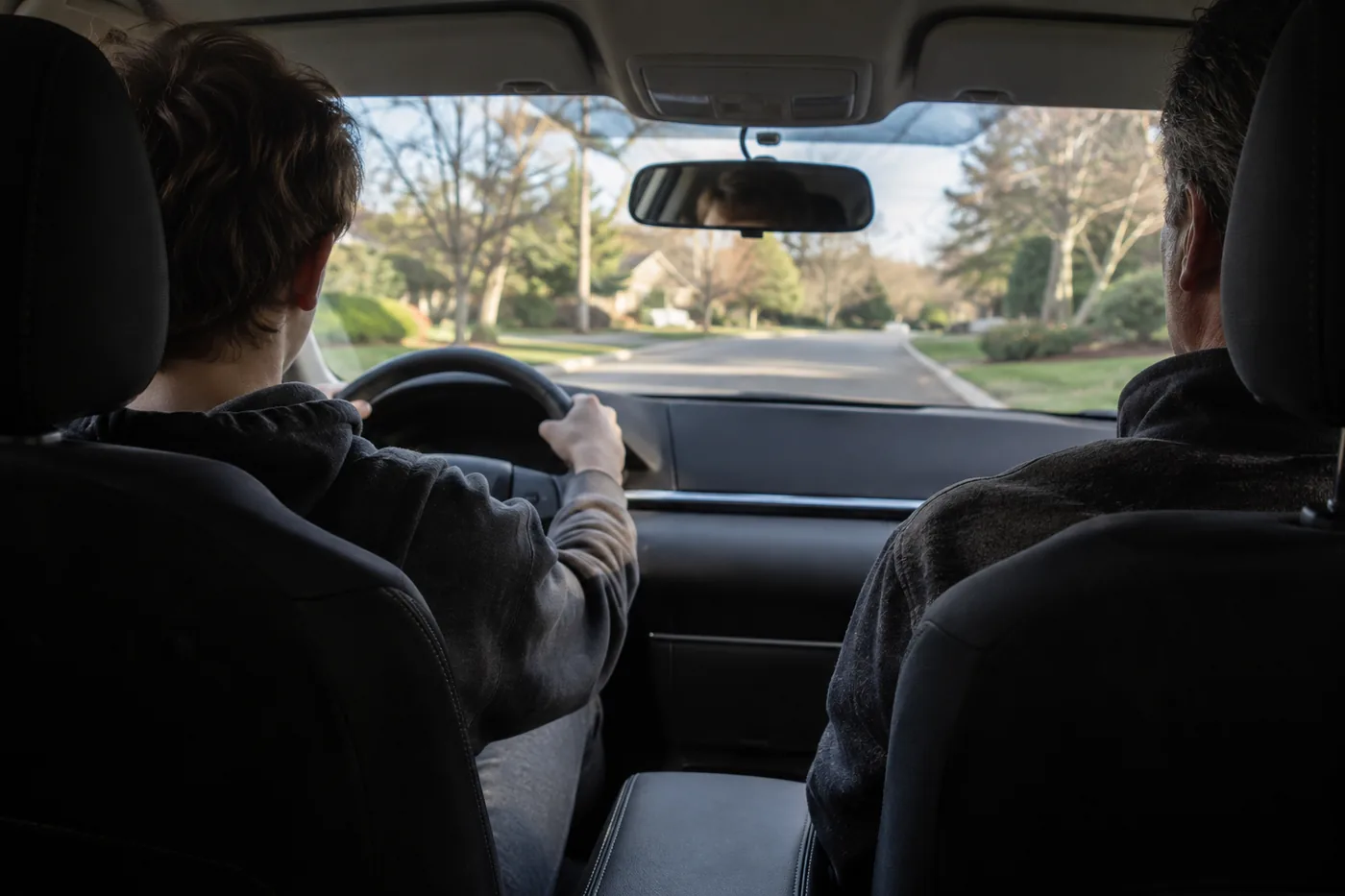
A teen added for a summer, a temporary address, a vehicle sold but never removed. These persist until someone removes them.
What to ask
Call and ask for the specific reason codes for the change. Carriers maintain them, and the person on the phone can read them to you. "Rates went up" is not an answer; "territory relativity increase and expiry of the transfer discount" is, and it tells you whether shopping will help.