How At-Fault Determination Actually Works
The police report is evidence, not a verdict. Adjusters decide fault, and they use different rules.
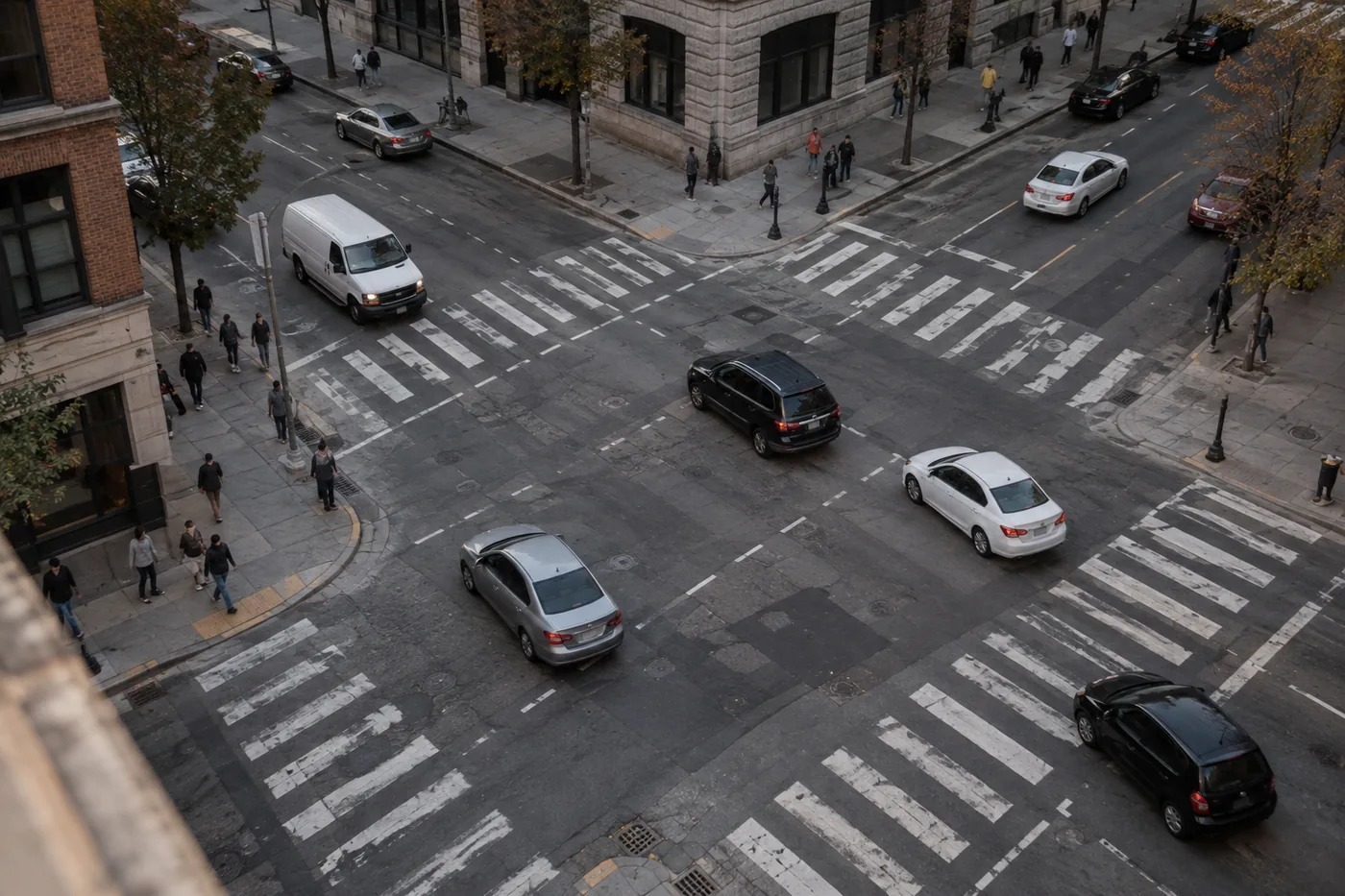
After a collision people wait for the police report as though it settles things. It does not. Fault for insurance purposes is determined by adjusters applying state negligence law, and they are not bound by the officer's opinion.
What adjusters actually weigh
- Statements from both drivers and any passengers
- Independent witnesses, weighted heavily because they have no stake
- Physical evidence — damage location and severity, debris field, skid marks
- The police report, as one input
- Traffic law in the jurisdiction
- Photographs, dashcam and increasingly vehicle event data
Comparative negligence
Fault is rarely all or nothing. Most states apportion it as percentages, and how that affects recovery depends on the state's rule:
- Pure comparative — you recover your damages reduced by your share, even at 90 percent at fault
- Modified comparative (51% bar) — you recover only if you are 50 percent or less at fault. The most common rule.
- Contributory negligence — any fault at all, even 1 percent, bars recovery entirely. A handful of jurisdictions.
Presumptions that are hard to overcome
Certain configurations carry strong default assumptions: rear-end collisions presume the following driver is at fault; left turns across traffic presume the turning driver is at fault. These are rebuttable — a rear-ended driver who reversed, or whose brake lights were out, can shift the outcome — but the burden sits with you.
What to do at the scene
Photograph the final rest positions before moving the vehicles, all four corners of both cars, the wider scene including signals and signage, and the other driver's documents. Collect independent witness details — they become unreachable within minutes.
Do not apologise at the scene. It is instinctive and decent, and it is recorded as an admission.
If you disagree
You can dispute a fault determination with your own carrier, escalate to a supervisor, request the evidence relied on, and complain to the state insurance department. Determinations do get reversed, most often when a witness surfaces later.