How Your Claims History Follows You Between Insurers
Switching carriers does not reset your record. A shared database makes sure of it.
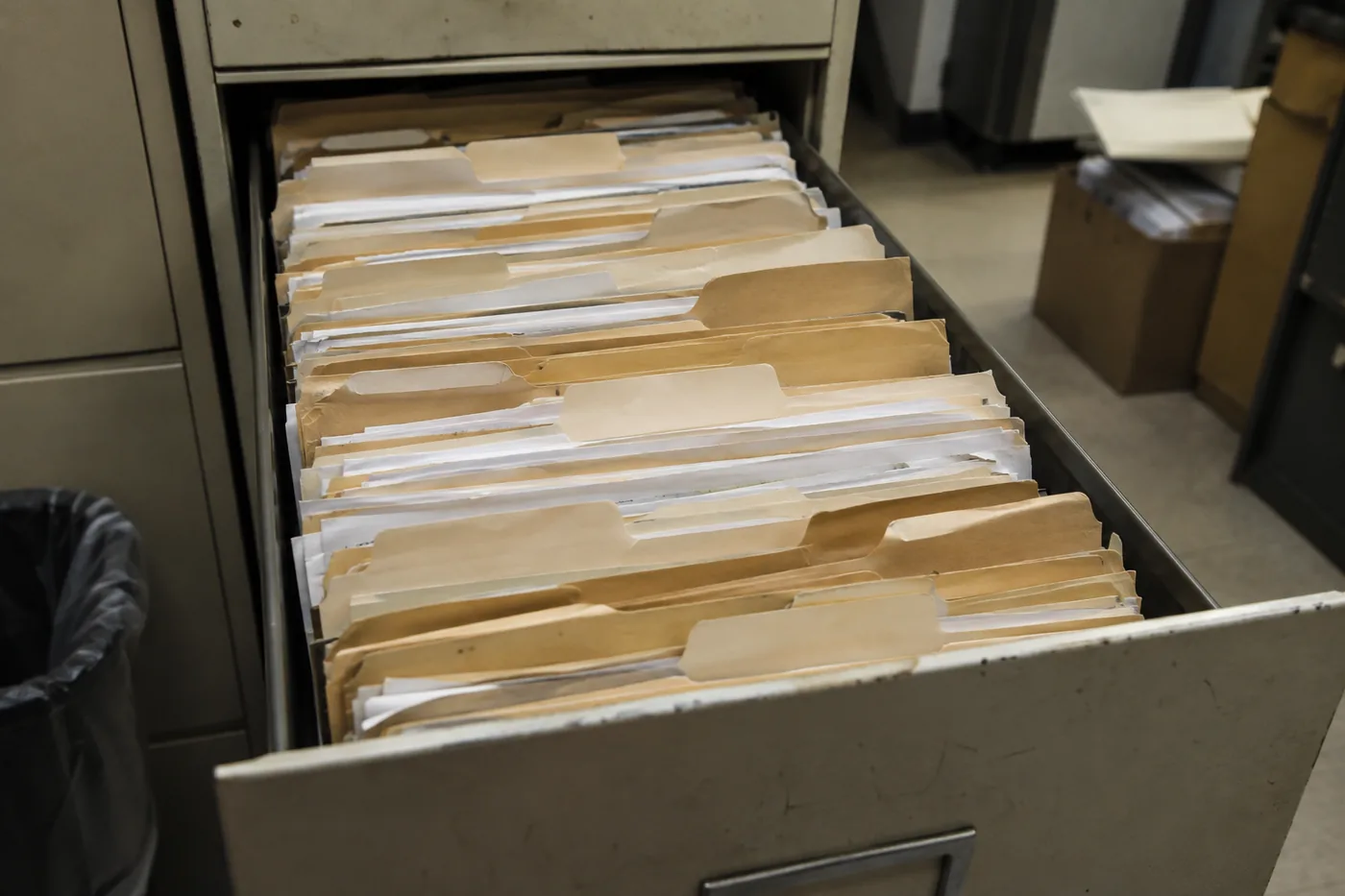
People change insurers assuming a clean slate. There is no clean slate. The industry shares loss history through a central database, and your new carrier pulls it before quoting.
What CLUE holds
The Comprehensive Loss Underwriting Exchange records claims filed against personal auto and property policies for the past seven years. Each entry includes the date, the type of loss, the amount paid, and the disposition.
It records claims, not accidents. An accident you paid for privately does not appear. A claim you filed and then withdrew frequently does.
The inquiry problem
This is the part that surprises people most. At some carriers, calling to ask whether something would be covered can generate a record even when no claim is filed and no money is paid.
Ask the question hypothetically. "In general, how does this policy treat hail damage?" produces the information without creating a file. "I have hail damage on my roof, what do I do?" may open a claim.
You can read your own file
CLUE is a consumer reporting agency under the Fair Credit Reporting Act, which means you are entitled to a free copy of your report annually and can dispute inaccuracies. Errors are not rare — claims attributed to the wrong person at the same address, or a not-at-fault claim recorded as at-fault.
Pull your report before you shop. If a not-at-fault claim is miscoded, correcting it beforehand is far easier than arguing about a quote afterwards.
Not-at-fault still matters
Even claims where you bore no fault can affect pricing at some carriers, on the argument that claim frequency itself predicts future frequency. It is a smaller effect than an at-fault claim, but it is not zero.