Why Insuring an EV Costs More
Fewer moving parts, lower running costs, and a higher premium. The battery explains most of it.
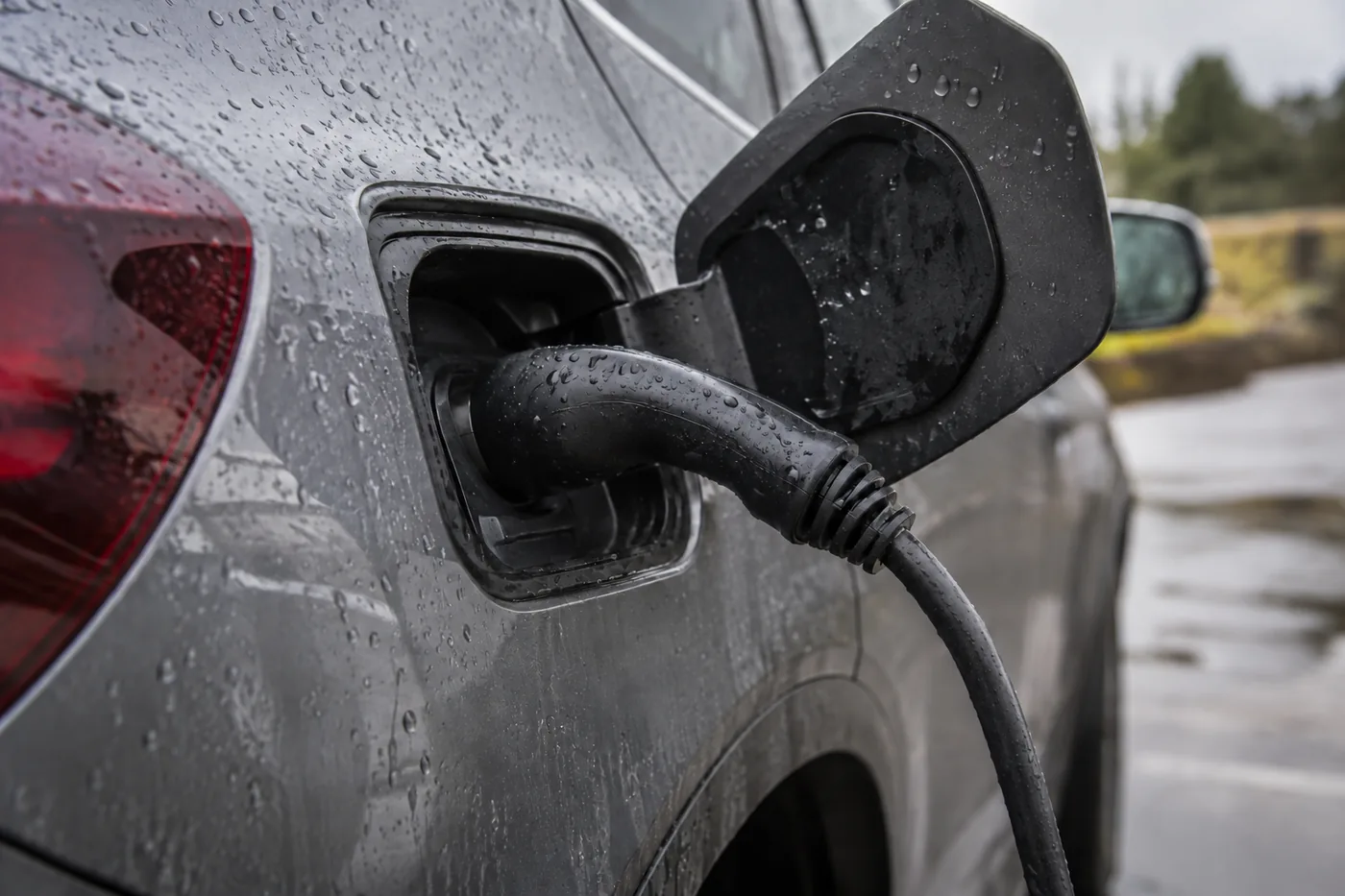
Electric vehicles cost less to run and more to insure. Both are true, and the second follows from how physical damage claims are settled.
The battery is most of the car's value
A traction battery can represent 30 to 40 percent of a vehicle's replacement cost. Battery packs are structural, mounted low, and extremely difficult to inspect for internal damage after an impact.
The consequence is that when a pack is suspected of damage, the safe engineering decision is replacement, not repair. A moderate impact that would have meant a bent subframe on a petrol car can total an EV outright.
Repair networks are thin
High-voltage work requires specific certification and equipment. Fewer shops qualify, which means longer repair cycles, higher labour rates, and larger rental reimbursement costs — all of which are claim costs the carrier prices in.
Sensors everywhere
EVs skew heavily toward advanced driver assistance systems. A replaced windscreen may require camera recalibration. A replaced bumper may require radar recalibration. These procedures add hundreds of dollars to otherwise routine repairs.
Performance is a rating factor
Instant torque is a real underwriting consideration. Many mainstream EVs reach 60 mph faster than performance cars of a decade ago, and acceleration correlates with claim severity.
What actually helps
- Shop specifically among carriers with mature EV books — the spread between carriers is wider here than in most segments
- Ask whether the carrier offers OEM parts guarantees, which matter more when repair quality affects the battery enclosure
- Check whether a home charger is covered under your homeowners or auto policy, and insure it where it is cheaper