What Happens If You Let Your Coverage Lapse
A gap of even one day reclassifies you at most carriers. The effects outlast the gap by years.
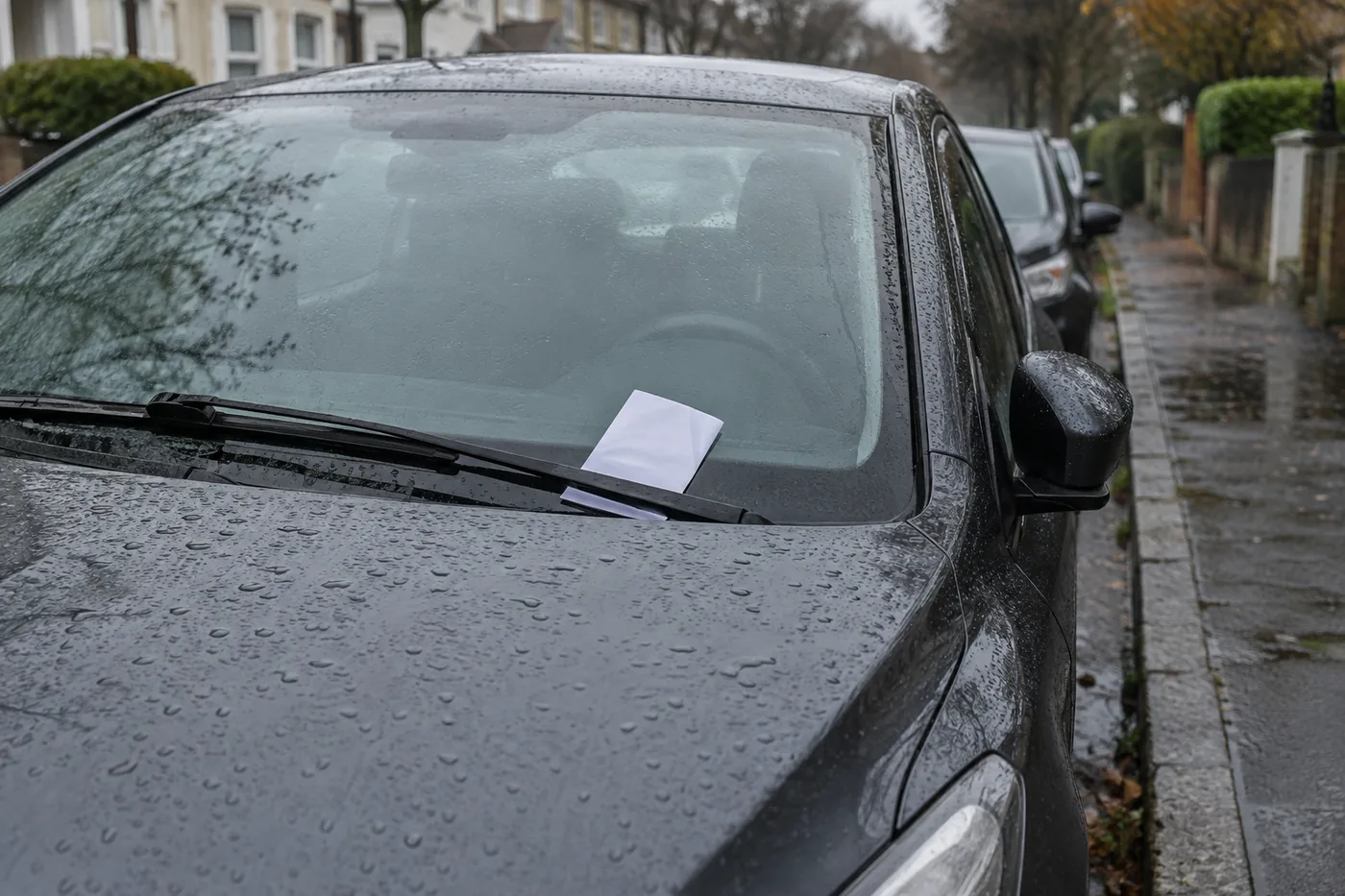
Continuous coverage is itself a rating variable. Insurers treat a lapse as one of the strongest available predictors of future claims, and they price it accordingly.
You lose your prior-insurance tier
Most carriers place new customers into tiers based on how long they have held continuous coverage. A driver with five unbroken years lands in the best tier. A driver with a 30-day gap often lands in the worst, and the difference between those tiers commonly runs 20 to 40 percent.
State-level consequences
Many states receive electronic notification when a policy cancels. Where registration requires proof of insurance, a lapse can trigger:
- Suspension of registration or licence
- Per-day fines that accrue for the length of the gap
- A reinstatement fee
- A filing requirement — SR-22 or equivalent — for one to three years
The SR-22 problem
An SR-22 is not insurance. It is a certificate your insurer files with the state confirming you carry at least the minimum. Being required to file one moves you into non-standard markets where rates are substantially higher, and the requirement typically lasts three years.
If you are between vehicles
This is the avoidable case that catches people out. If you sell a car and will not buy another for two months, do not simply cancel. Ask about a non-owner policy — it is inexpensive, it covers you driving borrowed or rented vehicles, and critically it preserves continuous coverage.